
Breaking Down the CRAZIEST Xbox Showcase
The latest Xbox showcase didn’t try to overwhelm us with dozens of trailers. Instead, it slowed things down and focused on just a handful of games. That approach made it easier to dig into what was actually being shown—but it also made the strengths and weaknesses of the lineup impossible to ignore.
Some reveals genuinely sparked excitement. Others raised eyebrows. And taken together, the showcase felt like a snapshot of an industry caught between creative ambition and financial caution.
Here’s how it all shook out.
Familiar Comfort vs. Playing It Safe (Forza Horizon 6 & Beast of Reincarnation)
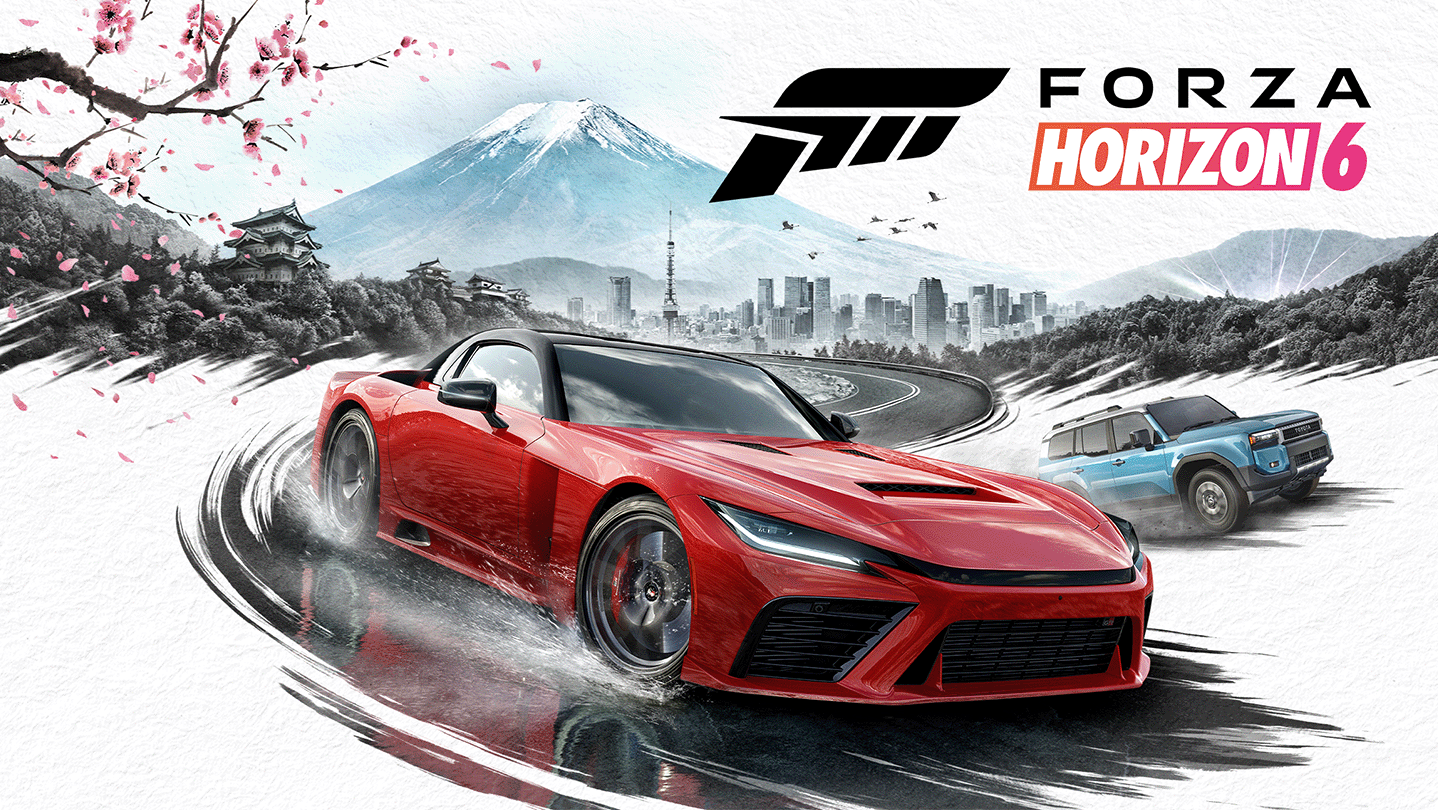
Forza Horizon 6 heading to Japan is the kind of announcement that sells itself. Neon cities, mountain passes, cherry blossoms, Mount Fuji—it’s a postcard-perfect setting, and visually the game looks phenomenal. The problem isn’t how it looks. It’s how much it resembles the last two Horizon games.
The festival structure, open-world racing, collectibles, and social hubs all feel extremely familiar. Even features like letting the car drive itself so you can “vibe” with the scenery feel more like a novelty than innovation. It’s a smart business move—Horizon sells incredibly well—but it’s hard not to wish for something bolder.
Beast of Reincarnation sits in a similar space. Game Freak stepping away from Pokémon should feel radical, and the post-apocalyptic action RPG vibe is undeniably different for the studio. But once the combat starts, it’s hard to shake the feeling that you’ve seen this before. Fast dodges, moody monsters, cryptic storytelling, and a wolf companion all echo Soulslike design in ways that feel safe rather than daring.
Neither game looks bad. Both will probably review fine. But both also feel like studios choosing reliability over reinvention.
Weird, Risky, and Necessary (Kiln)
Then there’s Kiln—the game nobody predicted.
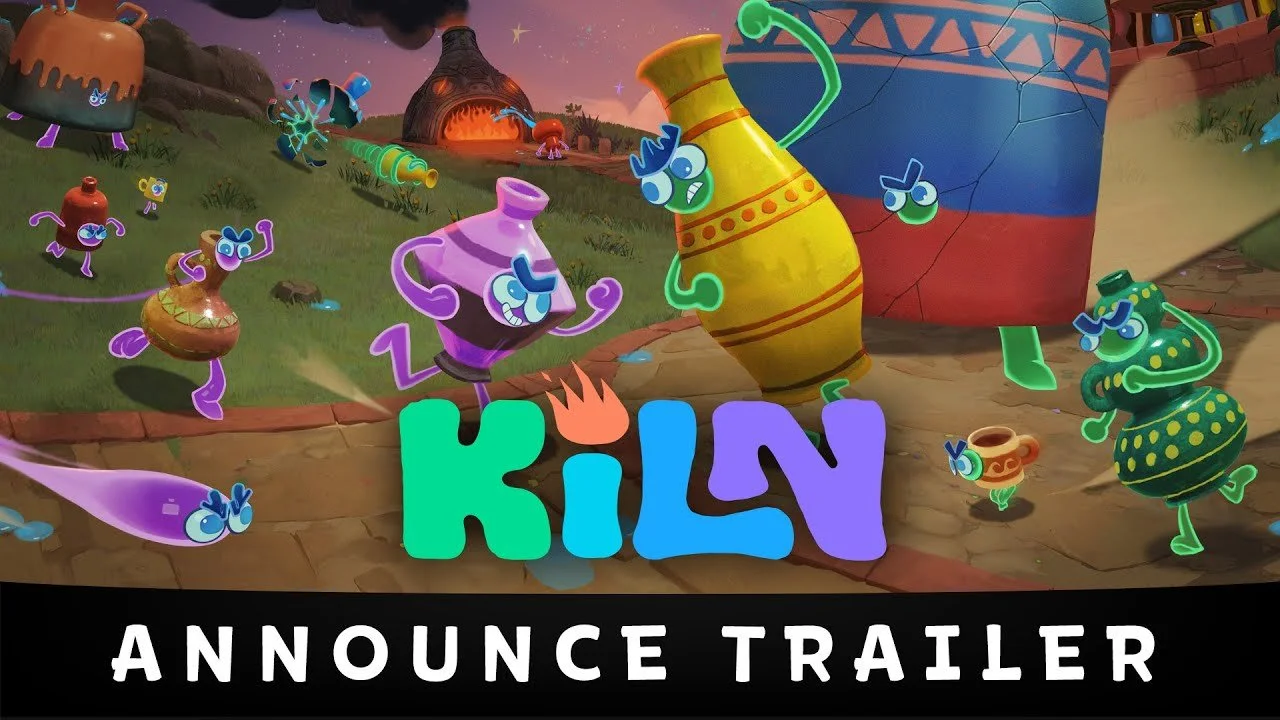
An online multiplayer party brawler where you sculpt pottery and then fight using the pots you made sounds completely unhinged, and that’s exactly why it stood out. Your creation’s shape directly affects how it plays, turning ceramic design into a core gameplay mechanic rather than a gimmick.
Will Kiln be a massive success? Almost certainly not. But that’s beside the point. Games like this exist to push the medium forward creatively, even if they only resonate with a small audience. Someone is going to love this game. Someone is going to remember it years from now. And someone is going to make something incredible because it existed.
In a landscape dominated by sequels and live-service clones, Kiln feels like a reminder that games can still be weird just for the sake of it.
Fable’s Return Feels Like the Real Deal
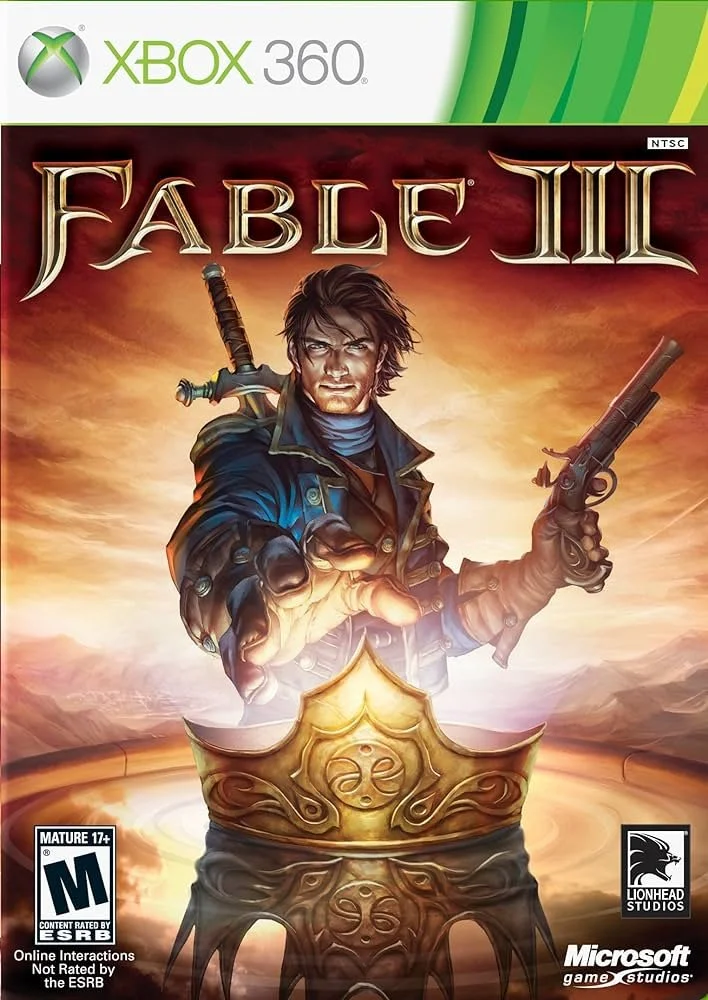
Fable was the clear highlight of the entire showcase.
The new look at Albion nailed the tone: fairy-tale fantasy, sharp British humor, and a world that reacts to your choices in ways that feel meaningful rather than binary. You don’t just pick “good” or “evil”—you live with the consequences of decisions that affect entire communities.
Combat looks heavier and more modern, but the heart of Fable is still there. You can quest, fight, and explore—or ignore all of that and focus on relationships, property, jobs, and shaping your reputation. NPCs follow daily routines. Morality is messy. Not everyone will like you, and that’s intentional.
With a 2026 release window and a simultaneous launch across Xbox, PC, and PlayStation, this feels like a massive statement game. Assuming it avoids being crushed by GTA 6’s shadow, Fable has the potential to be one of the defining RPGs of the generation.
The Bigger Picture: Remakes, Ads, and an Industry at a Crossroads
Beyond the games themselves, the conversations surrounding the showcase were just as telling. Rumors of a Resident Evil Code Veronica remake highlight how heavily the industry leans on nostalgia. Remakes are safe, reliable, and profitable—but they also risk creative stagnation, especially as aging engines start to show their limits.
Meanwhile, talk of ad-supported Xbox cloud gaming points toward a future that’s convenient but uncomfortable. Free access sounds great until you imagine unskippable ads, session limits, and paying extra to remove frustrations that didn’t exist before. It’s a model that will absolutely attract new players—but it raises serious questions about ownership, preservation, and long-term value.
Add Ubisoft’s struggles and the cancellation of Prince of Persia into the mix, and a pattern emerges: making games is more expensive than ever, and fewer companies seem willing to take real risks.
Your Turn
Which reveal mattered most to you? Are you fully on board with Fable, skeptical of Game Freak’s new direction, or worried about where the industry is headed?
Drop your thoughts in the comments and let’s keep the conversation going!
Where to Grab the Goods
🛒 Instant Riot Shop:
👉 InstantRiot.com
ENTER CODE GEEKGIFT For 10% off your Holiday Shopping!
Trust us: whether you're rocking the Expedition 33 Party Tee, the Stardew fit, the Portal chaos, or our own GPWY gear…you’re going to look like someone who knows exactly what they’re playing this weekend.