
Is Battlefield the New King of FPS?
For nearly two decades, one thing in gaming felt inevitable: Call of Duty would finish the year as the best-selling game in the U.S. It didn’t matter if fans complained, reviews were mixed, or the formula felt stale, Call of Duty always won.
But 2025 might finally be the year that streak breaks.
According to new industry sales data, Battlefield 6 is now extremely likely to end the year as the best-selling game in the U.S., edging out Call of Duty: Black Ops 7. That alone is historic. In modern gaming history, only absolute juggernauts like GTA V, Red Dead Redemption 2, and Hogwarts Legacy have managed to knock Call of Duty off its throne.
So what’s going on here? Is Battlefield truly back… or is Call of Duty finally paying the price for years of repetition?
Let’s break it down.
Battlefield 6: Not Perfect, But Perfectly Timed
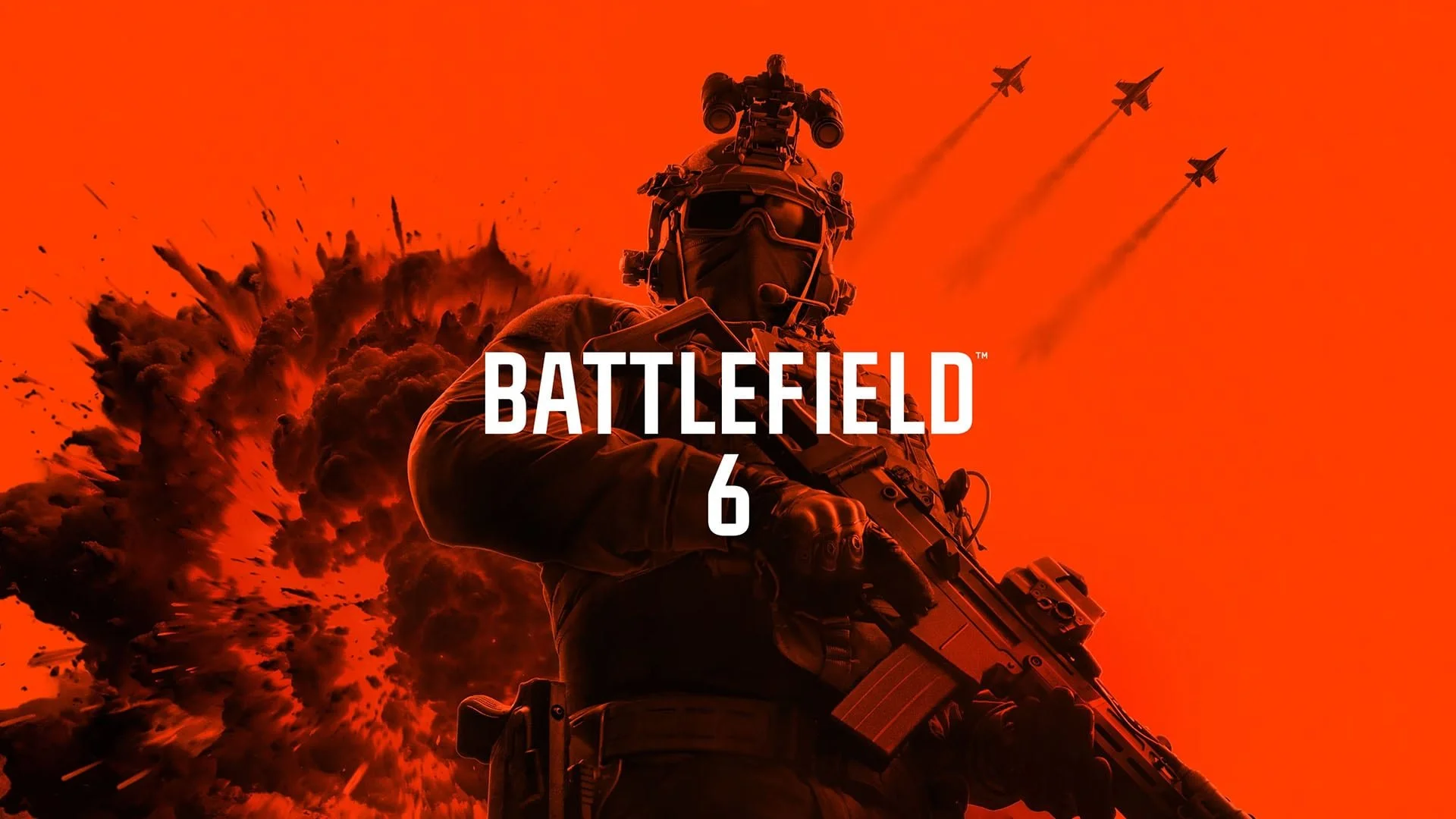
First, let’s be clear: Battlefield 6 isn’t some flawless masterpiece. It’s caught its fair share of criticism, with plenty of players pointing out rough edges and design decisions that didn’t quite land. But here’s the key thing—it launched earlier in the year.
That earlier release gave Battlefield 6 a much longer sales runway. More months on shelves means more opportunities to grab attention, build momentum, and rack up sales. While it didn’t exactly “set the world on fire” the way some early hype suggested, it did something arguably more important: it stayed relevant.
Even a slightly flawed Battlefield proved strong enough to capitalize on player fatigue elsewhere, and that alone says a lot.
Call of Duty’s Biggest Enemy: Itself
If Battlefield 6 represents opportunity, Call of Duty represents consequences.
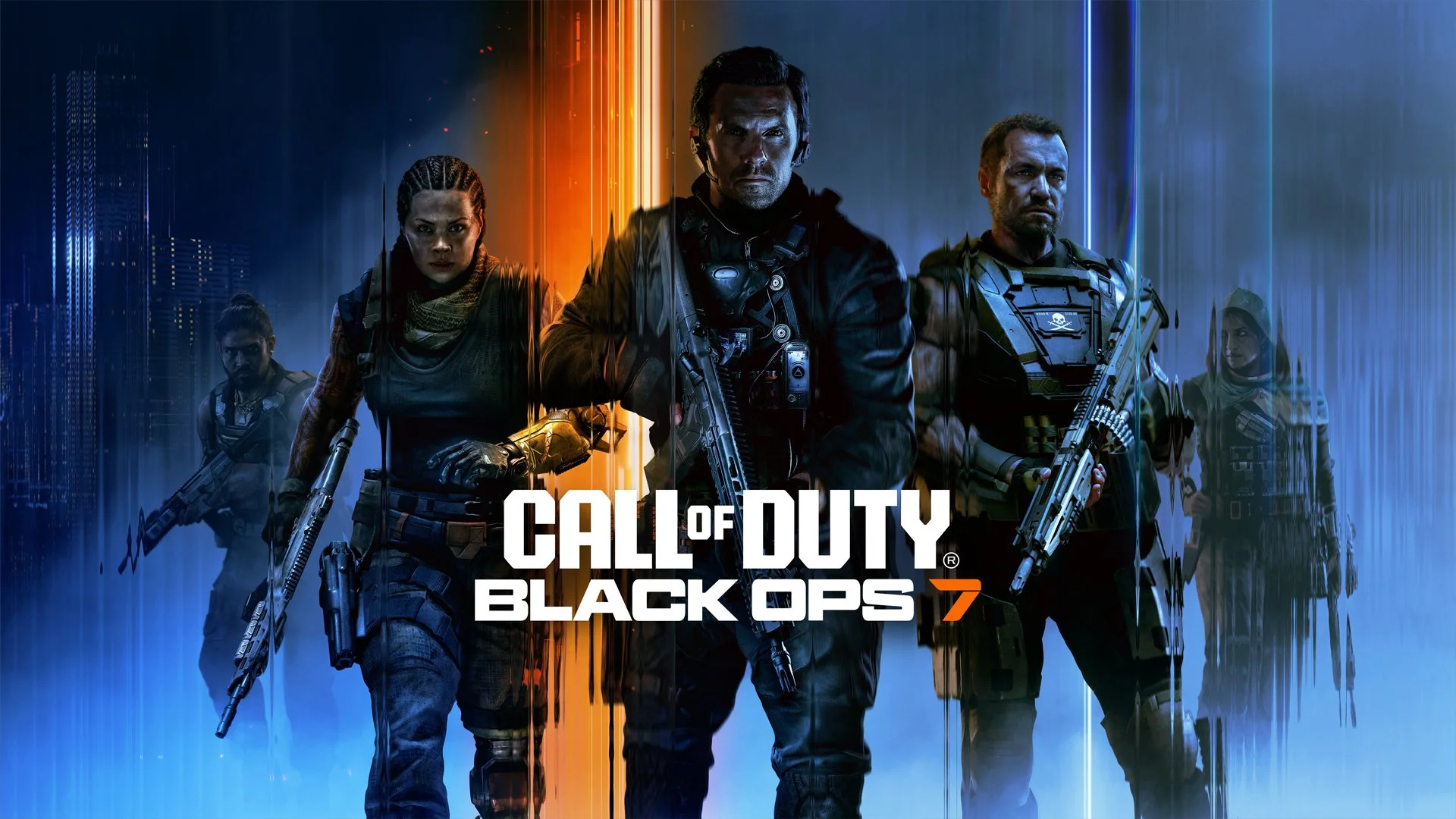
For years, fans have complained about annual releases feeling too similar. Minor movement tweaks here, a new mechanic name there, but at its core, the experience has often felt like the same game on a loop. Wall jumps, omni-movement, faster traversal—it’s change, sure, but not transformation.
2025 may finally be the year that approach caught up with the franchise.
Launching Black Ops 7 day one on Game Pass also had a clear impact. While it boosted player access and engagement, it undeniably cut into full-price sales on Xbox. That alone makes direct comparisons to previous years tricky, but even with that context, the drop is impossible to ignore.
And then there’s the biggest misstep of all…
Always Online, Always a Problem
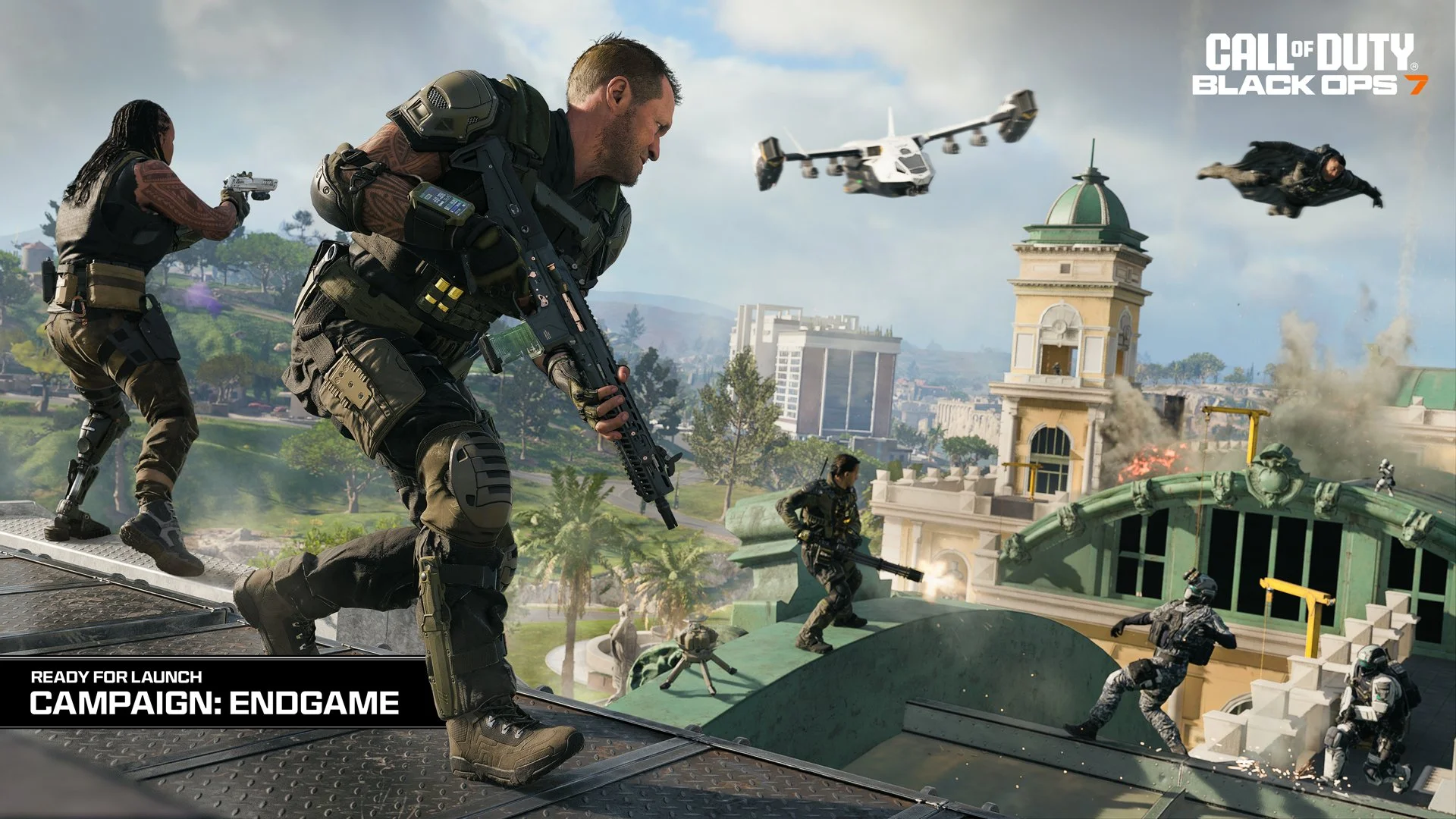
One of the most controversial decisions around Black Ops 7 was its approach to single-player. Making key modes online-only alienated a chunk of the audience, especially players who value offline play or solo experiences.
For some longtime fans, this wasn’t just disappointing, it was the final straw. More than a few players skipped this year’s Call of Duty entirely, something that would’ve been unthinkable a few years ago.
When players say things like “this is the first Call of Duty I didn’t even touch,” that’s not noise, that’s a warning sign.
The 2019 Effect: A Standard COD Can’t Escape
Many fans still point back to Modern Warfare (2019) as the moment Call of Duty peaked creatively in recent memory. Slower, more methodical gameplay. Weightier gunfights. A sense that the series had evolved instead of sprinted forward for the sake of speed.
Since then, every new entry has been measured against that standard, and consistently found wanting. Faster movement, recycled maps, and iterative changes just haven’t captured the same magic.
A Necessary Reset for Call of Duty?
The good news, for Call of Duty, at least, is that change might finally be coming.
With Activision reportedly stepping away from back-to-back annual releases, the franchise has a chance to breathe. More development time could mean real innovation instead of surface-level tweaks. Bigger questions loom too: What happens to Warzone? Does the always-online philosophy evolve? Are we heading toward a more deliberate, less rushed future?
One thing feels certain: standing still is no longer an option.
So… Is the Crown Slipping?
The truth is, this isn’t just about Battlefield winning a sales race. It’s about competition finally doing what it’s supposed to do—forcing change.
Battlefield 6 didn’t need to be perfect. It just needed to be different, timely, and good enough. And in doing so, it exposed cracks in a franchise that once felt untouchable.
Whether this is a one-year anomaly or the beginning of a longer shift remains to be seen, but for the first time in a long time, Call of Duty doesn’t feel inevitable.
And honestly? That’s probably healthy for everyone.
Your Turn
Is Battlefield 6’s success more about timing, or are we witnessing a real turning point for Call of Duty? Should COD move to biannual releases, or reinvent itself entirely? Drop your thoughts in the comments and let’s talk FPS futures.
Drop your thoughts below and join the conversation!
Where to Grab the Goods
🛒 Instant Riot Shop:
👉 InstantRiot.com
ENTER CODE GEEKGIFT For 10% off your Holiday Shopping!
Trust us: whether you're rocking the Expedition 33 Party Tee, the Stardew fit, the Portal chaos, or our own GPWY gear…you’re going to look like someone who knows exactly what they’re playing this weekend.